Time Sensitivity
Some tasks have specific deadlines or time constraints that require earlier attention than others. Recognizing these time-sensitive items helps you allocate your schedule appropriately.
Explore different approaches to organizing and prioritizing your daily tasks effectively
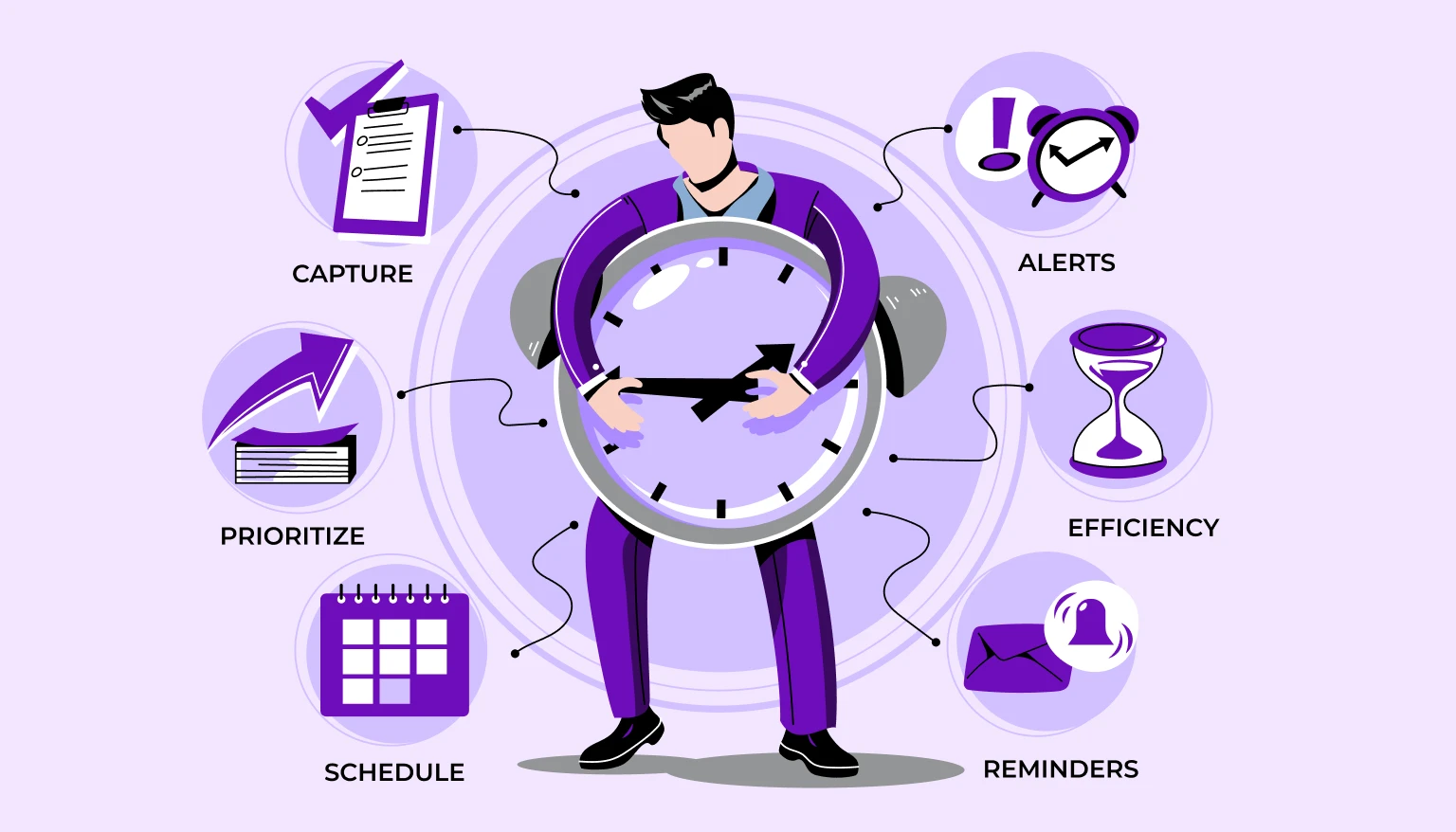
Task prioritization is about making conscious decisions regarding which activities deserve your attention first. It involves evaluating your responsibilities and organizing them in a way that aligns with your goals and available time.
Some tasks have specific deadlines or time constraints that require earlier attention than others. Recognizing these time-sensitive items helps you allocate your schedule appropriately.
Different tasks have varying levels of impact on your goals and responsibilities. Understanding which activities create the most meaningful outcomes guides your prioritization decisions.
Tasks require different amounts of time, energy, and resources. Being aware of these requirements helps you plan realistically and avoid overcommitment.
This method involves categorizing tasks based on two factors: time sensitivity and importance. By placing tasks into four distinct categories, you can make clearer decisions about where to focus your attention.
Tasks that have approaching deadlines and significant consequences. These typically include deadlines, important matters, and critical problems that need resolution.
Activities that contribute to long-term goals and personal development but do not have near-term deadlines. These often include planning, relationship building, and skill development.
Tasks that demand prompt attention but do not significantly contribute to your main objectives. These might include some interruptions, certain emails, and minor requests.
Activities that do not require prompt action and do not contribute meaningfully to your goals. These are often time-wasters that can be minimized or eliminated.
This straightforward approach involves assigning each task a letter grade based on its priority level. It provides a simple framework for organizing your to-do list.
These are your highest priority items that must be completed. They have serious consequences if not done and should receive your primary focus and best energy.
These tasks are important but have less severe consequences if delayed. They should be addressed after A-level tasks are complete or in progress.
These are nice to do but have minimal consequences if left undone. They can be completed when time permits or delegated if possible.
Identifying tasks that benefit from fresh mental energy and tackling them early in the day when concentration is typically at its peak.
Small tasks that can be completed in a few minutes. Grouping these together can create momentum and clear mental space for larger projects.
Setting aside uninterrupted time periods for complex tasks that require sustained concentration and creative thinking.
Reserving time to assess what was accomplished, adjust priorities for the next day, and ensure nothing critical was overlooked.
Establish a consistent time each day to review and prioritize your tasks. This routine creates structure and ensures you're always working from a current plan.
While having a prioritization system is valuable, remain open to adjusting your plan as circumstances change throughout the day.
Periodically assess whether your prioritization method is serving you well. Different life phases may call for different approaches.
Educational Information: All materials and practices presented are for educational and informational purposes only and are intended to support general well-being. They do not constitute medical diagnosis, treatment, or advice. Before applying any practice, especially if you have chronic conditions, consult a qualified healthcare professional.